
Destiny 2 Raid Guides and Strategies
-

Wipe the Lobby: Pre-Season Strategies Every Player Needs
Introduction: Seasons Change Everything Before the start of a new Warzone season, the meta shifts overnight—from weapon balance to map changes,…
-
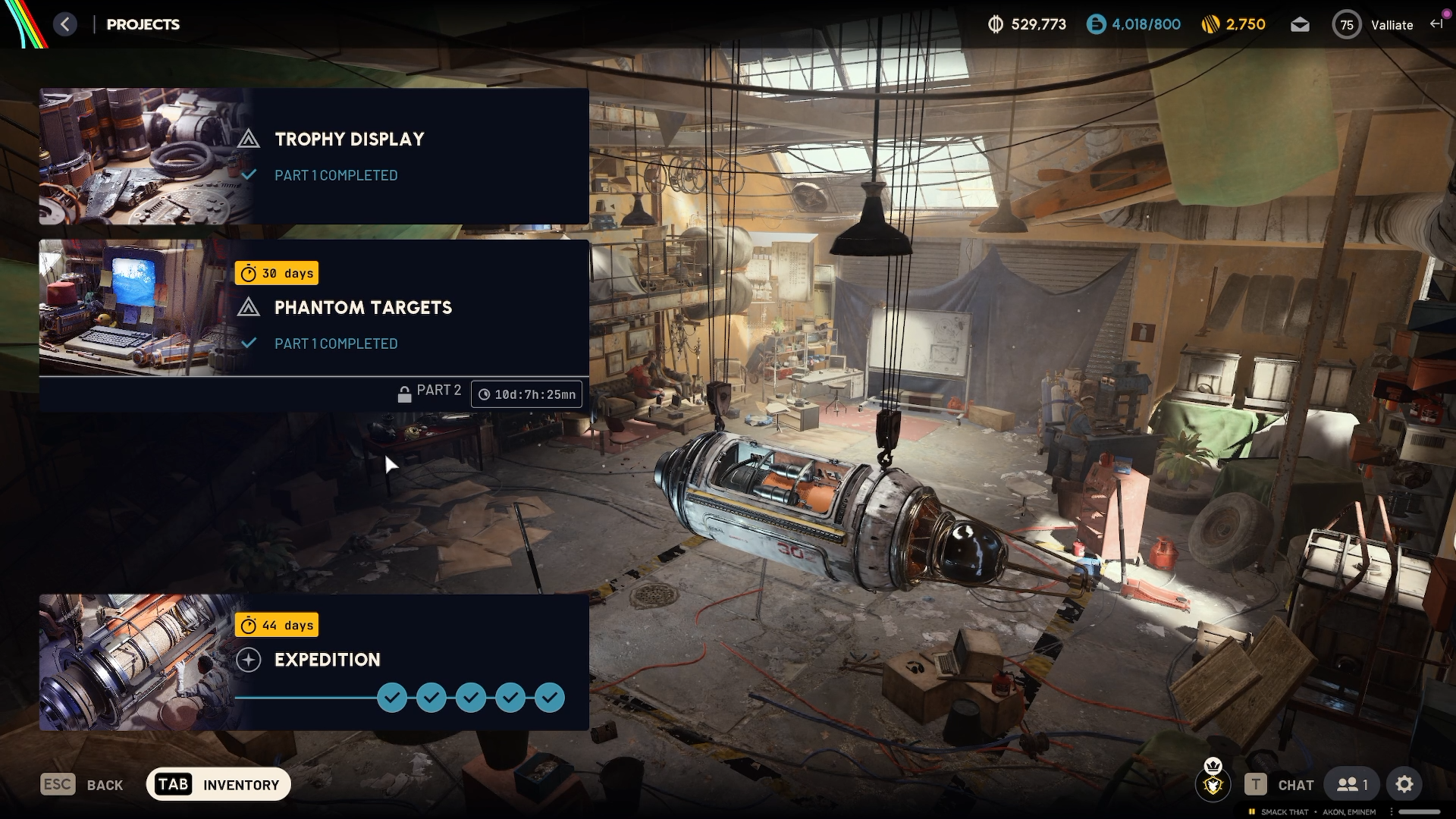
Decoding Arc Raiders Complex Map Icons: A Complete Guide to Waypoints, Hazard Zones, and Extraction Markers
The intricate world of Arc Raiders is filled with various map icons that can often confuse even the most seasoned players.…
-
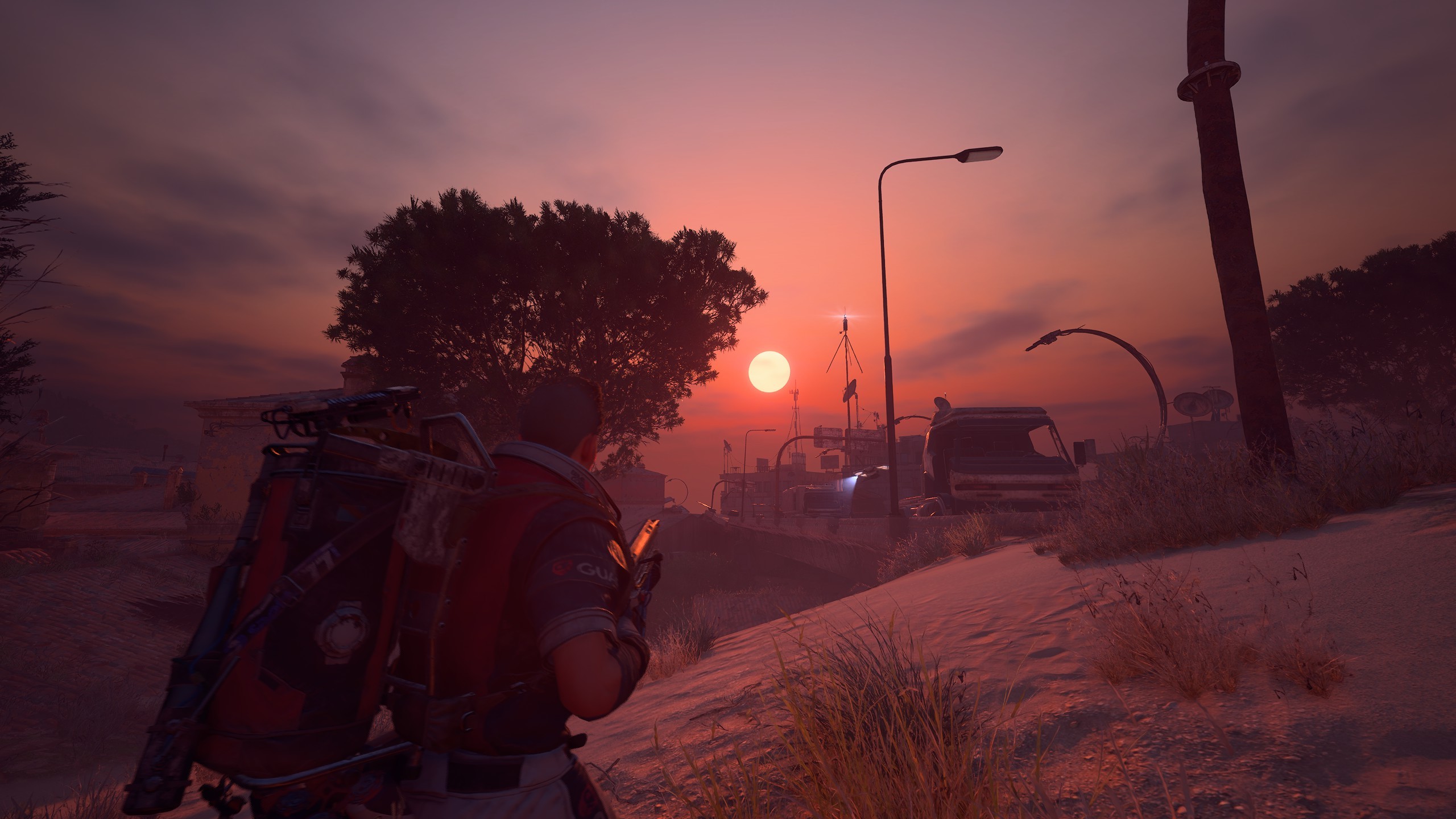
Top 10 Fatal Mistakes Beginners Make in Arc Raiders (And Exactly How You Can Avoid Dying to Them)
Arc Raiders is an exhilarating co-op shooter that challenges players to survive against waves of relentless foes. Yet, for beginners, the…
-
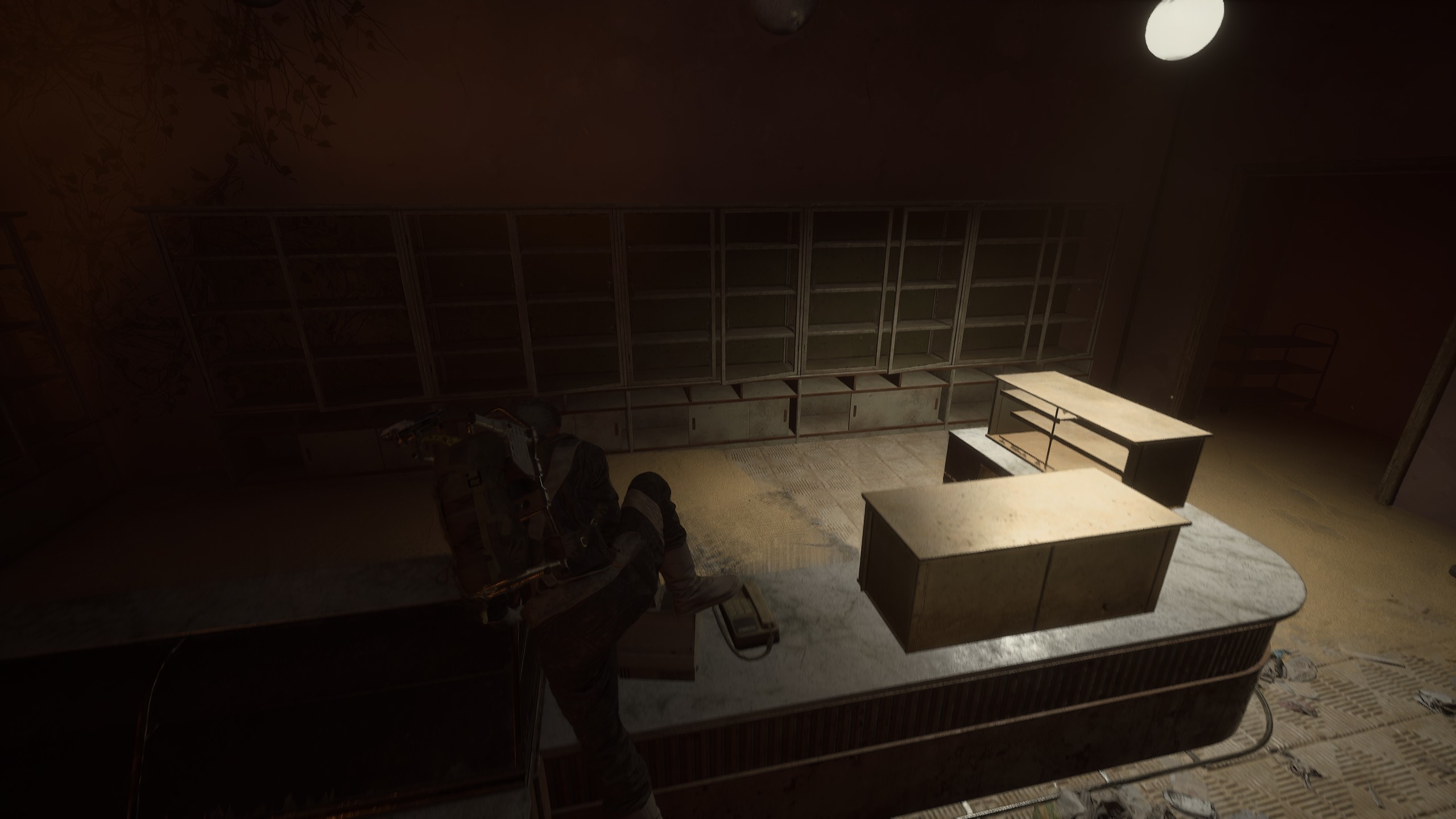
How to Form a Squad, Utilize Comms Ping Systems, and Survive Co-op Drops in Arc Raiders Matchmaking
In the fast-paced world of Arc Raiders, effective communication and teamwork are paramount for survival and success. With the game’s emphasis…
-
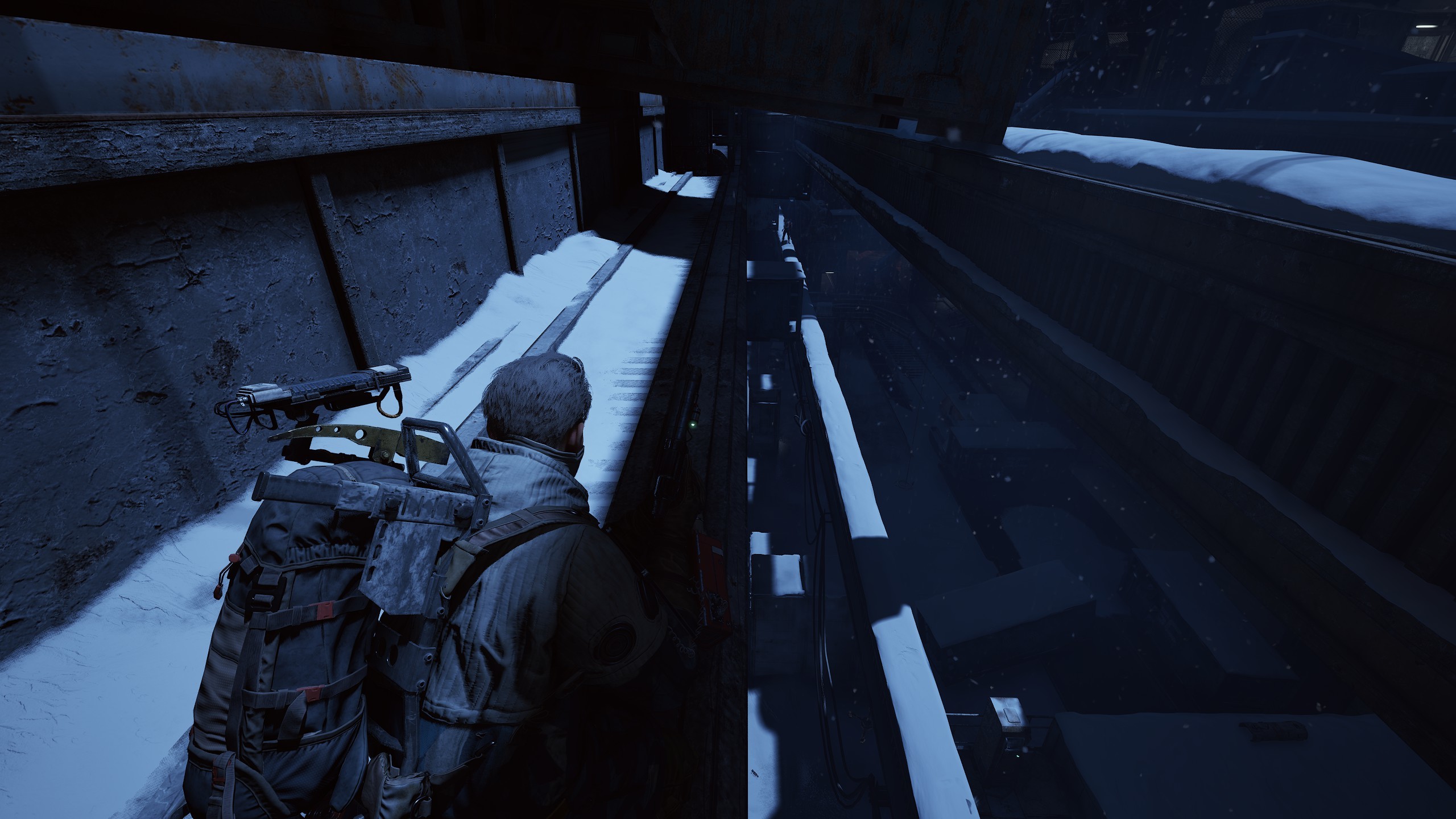
Understanding Weapon Rarity, Mod Slots, and the Upgrade Economy in the Early Stages of Arc Raiders
In the dynamic universe of Arc Raiders, players are often confronted with a variety of weapons, each differing in rarity and…
-
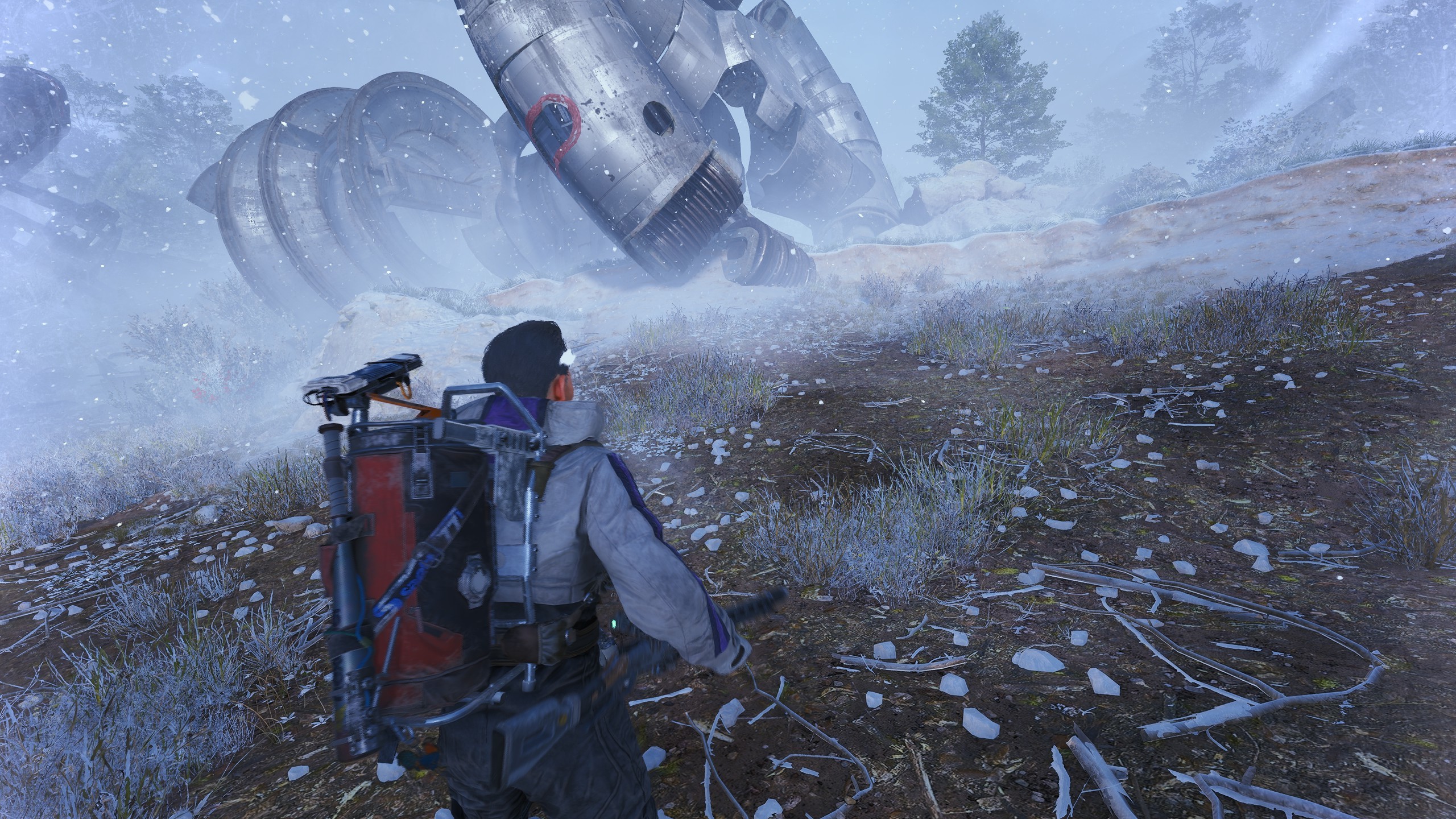
Essential Consumables and Medical Items You Must Always Keep Stashed in Your Safe Pocket Before Deploying
In the ever-evolving world of Azeroth, preparation is the key to survival and success in both PvE and PvP environments. Whether…
-
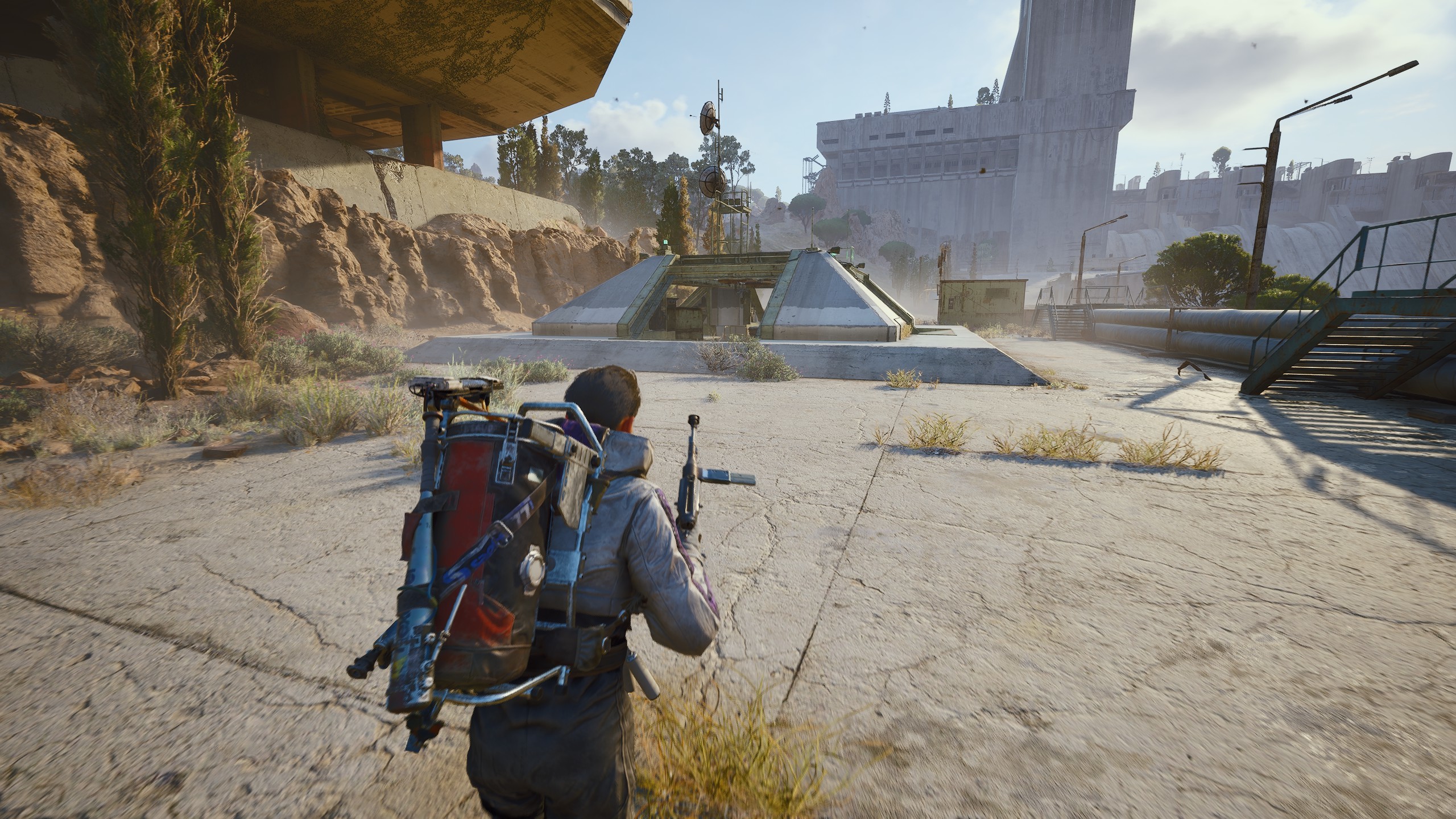
How to Extract Safely When the ARC Storm Approaches and Visibility Drops to Zero in the Rust Belt
The Rust Belt is notorious for its severe weather, particularly when ARC storms hit. These storms are characterized by rapid changes…
-
Protect Your Account: The Essential Checklist for Selecting a Legitimate Marathon Boosting Service Online
Why Security Must Be Your Primary Concern When you decide to purchase professional game assistance, your account security should be your…
-
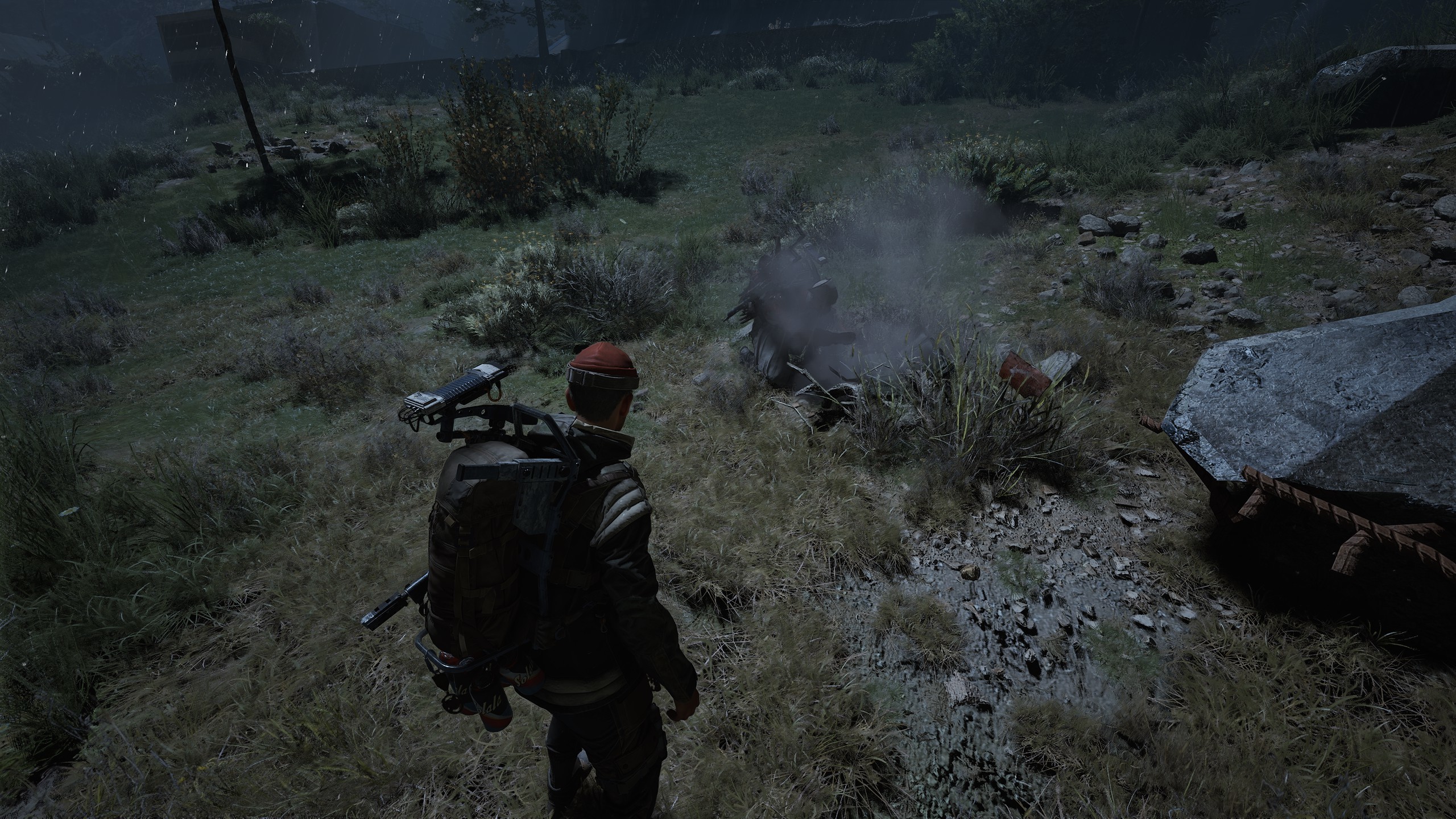
Why It’s Time to Buy Arc Raiders Services and Secure Your Elite Gear
Why Elite Gear Matters on the Battlefield In Arc Raiders, your survival depends on the strength of your equipment and the…
What a WoW Forever Boost Can and Cannot Shorten in Your Leveling Path
Start with where the hours actually go
Anyone who has leveled in a Classic-era version of World of Warcraft knows the climb is not one smooth curve. Time disappears in specific places: running between quest hubs, waiting for elites to respawn, hunting for a group, and recovering after deaths. Before you decide whether outside help is worth considering, write down where your own hours leak. That list tells you more than any forum thread.
A typical evening might include fifteen minutes of travel, twenty minutes of searching for party members, and a lot of mana-and-health downtime. Those are the parts a shortcut could touch. The parts it cannot touch are the ones that make the character yours: learning your class, building habits, and knowing your abilities under pressure.
Try a simple experiment: play two normal sessions and keep a rough log of minutes spent traveling, waiting, fighting, and dead. Most players discover that actual combat is a minority of their time. That finding is useful whether or not you ever consider outside help, because it shows which habits, such as better route planning or a hearthstone set at a convenient inn, can save time for free.
What a WoW Forever Boost is meant to do
In plain terms, a WoW Forever Boost is a third-party service in which someone else helps move a character along its early or mid levels so you reach the content you want sooner. The details vary by provider, so read exactly what is offered and do not assume anything beyond the written description.
Think of it as buying back a slice of calendar time, not as buying skill. If your goal is to stand in a dungeon queue with friends on a Saturday, a faster route to a useful level may matter. If your goal is the journey itself, it probably does not.
Ask any provider what exactly is covered, what is not, and what happens if something goes wrong. Vague answers are a warning sign. Also ask yourself whether you want the result or the process, because the process is what many people keep playing Classic-era games for.
What it can plausibly shorten
Be realistic and specific. The things most likely to shrink are the repetitive stretches at the front of the path.
None of this is guaranteed to feel faster to you, because your own play speed is the main variable.
A useful rule of thumb is that anything repetitive and low in learning value is a candidate, while anything that teaches you how the class plays is not. Skipping the first stretch of a class you already know well is a very different matter from skipping it with a class you have never touched.
- Early levels where questing is slow because you lack mounts and good gear.
- Time spent grinding mobs when no quests are left in your zone.
- Searching for groups for a single dungeon you need to progress.
- Travel overhead if you are leveling a second or third character.
What it cannot shorten
Some parts of a Classic-era path are fixed by the design of the game. Class quests, reputation, and many profession steps depend on your time in the world, not on your level. A higher level does not hand you skill points in a craft, a full spellbook worth of practice, or a friends list.
Gold is another limit. Training costs, mounts, and bags are a steady drain, and a character who jumps ahead in level still needs money to function. Plan for that before the level ticks over, or you will arrive underequipped and short of funds.
Reputation is a good example. Factions that gate gear or access are earned through repeated quests, dungeons, or turn-ins, and no level jump changes that. Likewise, attunement-style quest chains usually need your character present and your time spent.
The professions question
Professions are where shortcuts most often disappoint. Gathering skills rise as you use them, and crafting skills need materials gathered or bought. Those materials do not appear because your level is higher.
A sensible approach is to choose professions early and pick them up alongside leveling rather than after. If you skip that step, you may find yourself high level with a trade stuck at its starting rank and a long gold bill to catch up.
A concrete plan helps. Decide which profession supports your main goal, for example a crafting skill that makes gear you will wear, and a gathering skill that feeds it. Check the level at which new ranks become available so your training trips are efficient and not scattered.
Building a realistic time plan
Estimate your weekly playtime honestly. Two evenings and a weekend morning is a very different plan from an hour every night. Then set one concrete target, such as a specific dungeon with friends, and work backward.
If the target is reachable in your normal play within a month or two, you may not need any shortcut. If it is months away and your friends are already there, the calculation changes. There is no universal answer, and anyone who gives you one is guessing.
A fair look at the risks
Third-party services carry account risk. Blizzard’s terms of service apply to your account regardless of who plays it, and some practices can lead to warnings, suspensions, or worse. Read the current terms yourself, do not share passwords casually, and understand that you carry the consequences. If a service asks for more access than seems reasonable, walk away.
Also consider the less dramatic cost: you may enjoy the early game more than you expect, and skipping it cannot be undone.
A simple decision checklist
Ask yourself four questions. What exact content am I trying to reach? How many weeks will it take at my current pace? What will I still need after the level jump, in gold, gear, and professions? And am I comfortable with the risk to my account?
If you can answer all four calmly, you are ready to decide. If any answer makes you hesitate, leveling at your own pace is a perfectly good way to learn a Classic-era class, and it keeps you fully in control.