
Introduction
A Tarkov carry service means you team up with a skilled player who helps you complete specific tasks in a raid. This can include running quests, gathering rare items, or boosting your level. Hiring a carry service can save you hours of trial and error, letting you focus on learning tactics and gear choices. Before you pick a service, you need a clear plan. Think about what you hope to get out of the raid and how involved you want to be.
Do you just want the items delivered to your stash? Or would you like to watch and learn from a veteran player? By knowing your own game style and goals, you can narrow down services that fit your needs. In this article, we’ll cover the key steps to make a smart choice: defining your goals, checking operator experience, and reviewing communication options. Each step will help you find a carry partner who matches your schedule, skill level, and raid objectives.
Identify Your Raid Goals
Start by listing the exact outcome you want from the raid. If you need a quest item that drops only on a certain map, note which map and which targets are valid. If you need a level boost, think about how much experience you want to cover in one session. Some players seek a simple loot run to fill their secure container with high-value items, while others look for help finishing a chain of tasks. Next, look at your own availability.
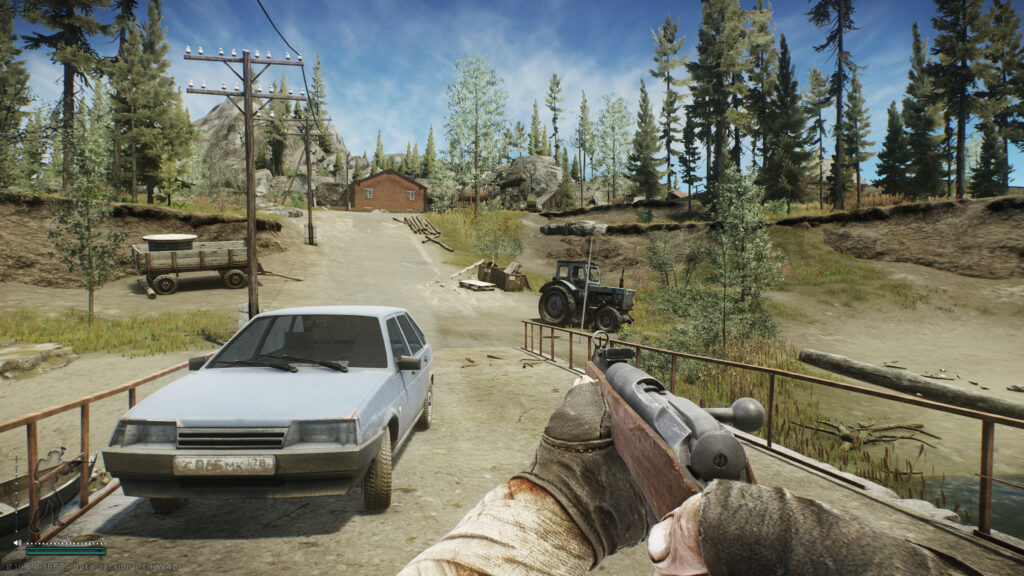
Can you dedicate a three-hour block, or do you only have one hour free? This will help you decide between a longer carry or a fast, target-specific run. Finally, think about the play style you prefer in the raid. Do you want a stealth focus, avoiding firefights and keeping a low profile? Or do you prefer direct combat, engaging other players and bosses head-on? Knowing your preferred style lets you select a carry team that offers the right mix of speed and safety. With clear goals, you’ll save time comparing services that don’t match what you need.
Check Service Experience
Once you know what you want, look for carry teams with a proven record. Begin by checking how many raids they’ve completed or hours logged. Many operators list total raids run or successful quest completions on their service pages. A higher raid count can signal reliability, but also read through recent logs or updates—consistent activity over time is a strong indicator. Next, dig into customer feedback. Read reviews that describe specific raids: did the operator follow the plan? Was loot delivered safely? Did the carry team stick to agreed drop‑off points?
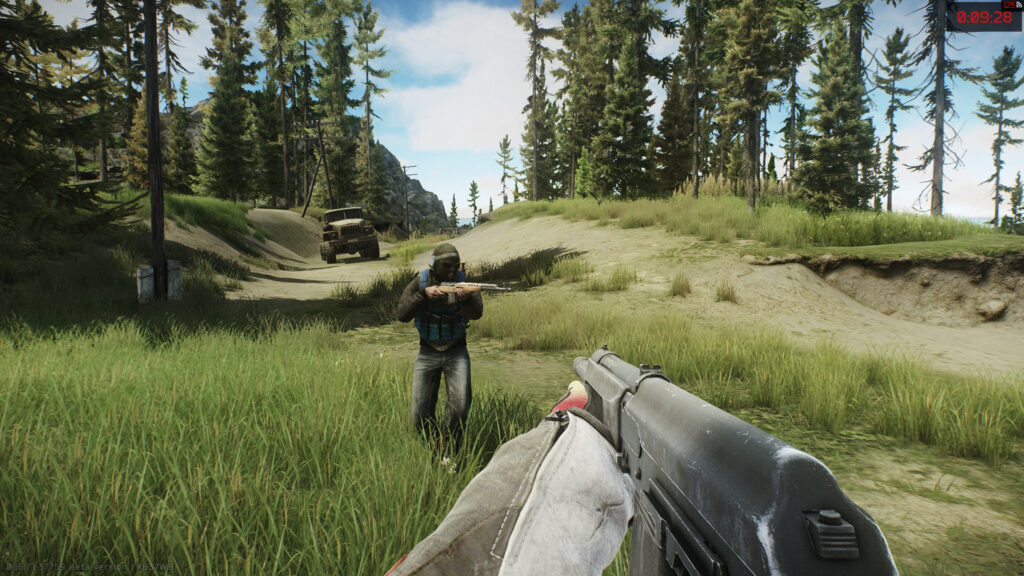
Honest feedback can show you if an operator meets expectations. Pay attention to repeated praise or recurring complaints. For example, if several players note fast responses, that team likely answers messages quickly. If several mention last‑minute cancellations, you may want to avoid that service. Finally, look for operators who have returning clients. Repeat customers suggest the team delivers on promises, since players chose to book again. Gathering these data points—raid counts, review details, and repeat business—gives you a solid picture of each carry service’s track record. When you compare options, pick the one whose experience fits your raid goals and matches your reliability needs.
Assess Communication
Good communication with your carry operator keeps the raid on track and cuts down on misunderstandings. First, check how quickly the team answers initial messages. A fast reply indicates they pay attention to new requests. Next, confirm which channels they use—do they offer in‑game chat only, or do they also use voice apps like Discord or Teamspeak? Voice support can help you follow real‑time instructions if you plan to observe key tactics. Also verify if they share clear drop‑off plans: you should know exactly where and when the carry will end the raid. Finally, make sure the operator speaks a language you understand well. Any confusion over simple commands can cost valuable time in a raid.

Key points to review:
- Response time: How soon did they reply to your first message?
- Channels: In‑game text, voice chat, or both.
- Language support: Native or fluent in your preferred language.
- Planning details: Clear info on meeting point, raid exit, and gear return.
By using this checklist, you will weed out teams that leave you waiting or guessing. Clear lines of contact mean you can ask last‑minute questions, adjust drop‑off spots, and confirm gear loadouts before you start. Operators who offer full voice support often guide you through key moments, teaching you as you watch. Others stick to text only, which can work if your goal is simple loot delivery. Match the communication style to your learning needs and time limits so that every second in the raid counts.
Review Service Options
Different carry services package their runs in various ways. Some sell single‑raid options, while others bundle several runs at a discount. A simple single‑raid deal may cover one map with fixed goals, while bundle packages can include multiple maps or repeated runs for a set price. You might also see extra features like provided gear, insurance on your loot, or an operator who drops loot directly into your secure container. Below is a comparison table to help you sort these details at a glance:
| Package Type | Runs Included | Gear Provided | Map Knowledge | Price Range |
|---|---|---|---|---|
| Single‑Raid | 1 | No | Basic | Low to Mid |
| Bundle (3 Runs) | 3 | Optional (extra fee) | Full | Mid to High |
| Bulk (5+ Runs) | 5 or more | Standard set | Expert | High |
After you review the table, think about any special add‑ons you might need. You might want:
- A runner who holds high‑end weapons so you can see best‑in‑slot gear in action
- A team that offers quick drops into custom stash layouts
- Additional support for story quests on rare maps
Compare these features against the price and map skill level. A higher‑priced package can pay off if it cuts your playtime in half, but avoid overpaying for extras you won’t use.
Evaluate Scheduling and Flexibility
Your time zone and daily schedule matter when booking a carry service. First, check that available slots match your local time. If the operator’s calendar shows only odd hours in your zone, you may miss your window or pay for a red‑eye run. Next, find out how the service handles changes. Can you move your booking up to two hours before the raid? Is there a fee for rescheduling? Flexible operators will let you tweak your slot once or twice if something comes up at work or in real life. Also ask whether they offer last‑minute openings. Some teams hold a “standby list” and will fill gaps when other players cancel, which can score you an earlier run.

Finally, look at the lead time they require. Some services need 24‑hour notice, while others accept same‑day bookings. If you plan to raid on short notice, pick a service that advertises quick‑start runs. For planned, multi‑raid sessions, a team that asks for a day or more of notice may prepare gear or squad composition in advance, which can improve results. Balancing strict scheduling requirements against the need for flexibility will help you align your play sessions with their calendar. This step ensures you get into the raid at the right time, with minimal hassle if you need to shift plans.
Final Checklist Before Booking
Before you hit ‘confirm,’ run through this quick list:
- Raid map and targets: Confirm the exact map and objectives in writing.
- Time and date: Verify the start time in your local zone and theirs.
- Communication channel: Ensure you have links and access to chat or voice servers.
- Gear and loadout: Note any equipment you must bring or they will supply.
- Reschedule policy: Understand fees or notice periods for changes.
- Support terms: Check post‑raid help, debrief options, and refund rules.
Having these details locked down prevents misunderstandings and lets you focus on the run itself. Send this checklist to the operator in a single message so both sides agree on every point.
Conclusion
Choosing the right Tarkov carry service means matching your goals, schedule, and learning style with an operator who has the experience and communication setup you need. Define what you want from the raid, research operator track records, and compare package features.
Confirm clear support, flexible scheduling, and fair value. Use the final checklist to lock in all details before booking. With this approach, you’ll get smoother runs, faster progress, and lessons you can carry into every future raid. Enjoy your next carry‑assisted mission with confidence and clarity.

Greetings, fellow gamers! I am Cameron Fisher, an intrepid gaming journalist fueled by a relentless pursuit of immersive experiences. As I navigate the ever-evolving landscape of video games, I become an explorer of virtual realms, unearthing captivating narratives and pushing the boundaries of interactive art. With an analytical mind and a penchant for creative expression, I dive into the heart of gaming culture, shedding light on the diverse perspectives and vibrant communities that make this world so extraordinary. Join me on this thrilling quest as we unravel the secrets, celebrate the triumphs, and uncover the true essence of gaming.
- Latest Posts by Cameron Fisher
-
Decoding Arc Raiders Complex Map Icons: A Complete Guide to Waypoints, Hazard Zones, and Extraction Markers
– -
Top 10 Fatal Mistakes Beginners Make in Arc Raiders (And Exactly How You Can Avoid Dying to Them)
– -
How to Form a Squad, Utilize Comms Ping Systems, and Survive Co-op Drops in Arc Raiders Matchmaking
– All Posts
Leave a Reply